Getting old isn’t for sissies, and neither is playing the traditional tourist.
Vicki and I have been travelers, which I insist is different from being a tourist. Full-timing in a small RV lends itself to a moderate degree of travel and adventure. Vacationing takes more stamina and money than we have these days.
But for today, we played the tourist, making a day trip to Mackinac Island. (And it’s pronounced MAC-in-awe, according to the locals. Apparently it’s a French spelling of a Native American word.)
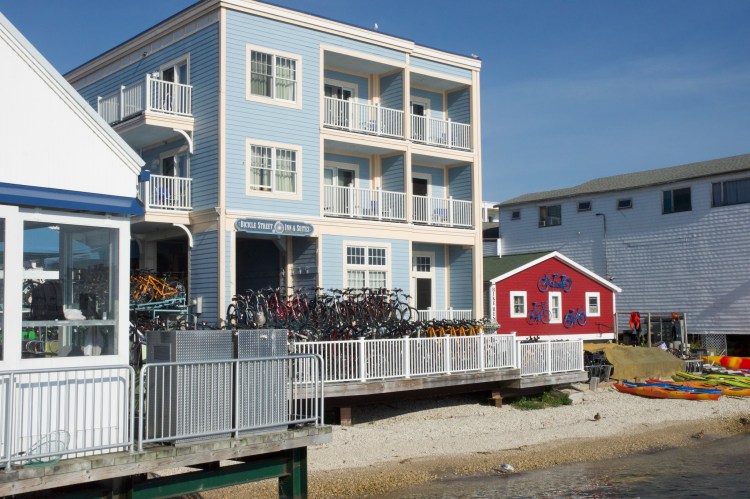
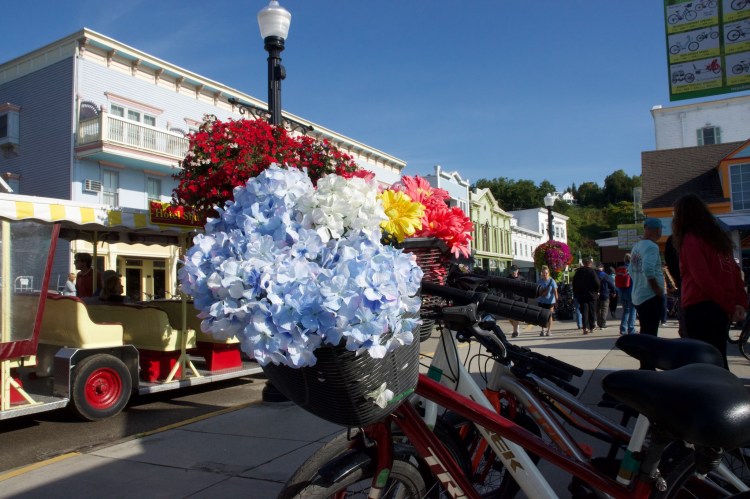
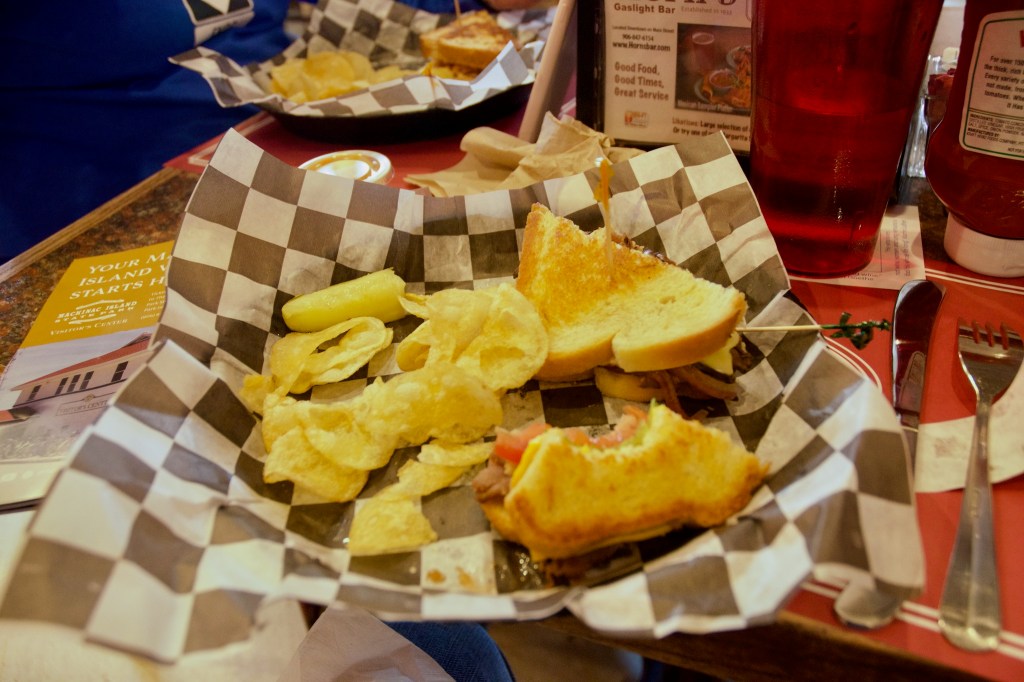
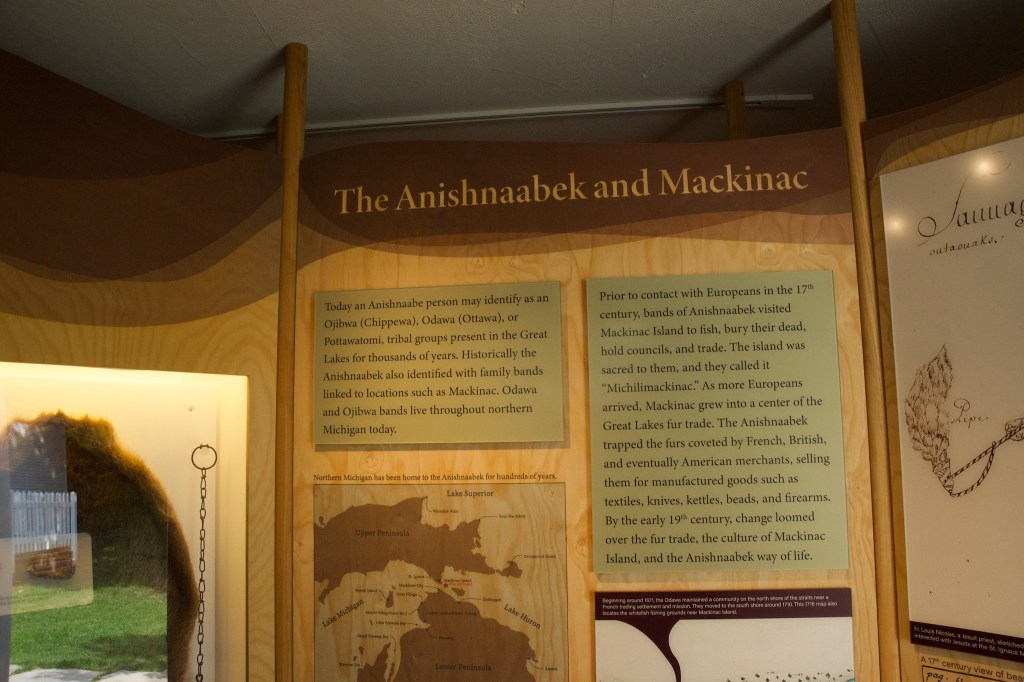
We saw some really cool stuff, including another ferry ride (this one a lot faster), visiting a historic fort, a museum dedicated to a tribe I had never heard of, the Anishnaabek, who lived and traded in this part of Michigan, and dropped by a blacksmith shop, a restaurant and a fudge shop. Fudge has been a tourist thing on this island for more than a century.


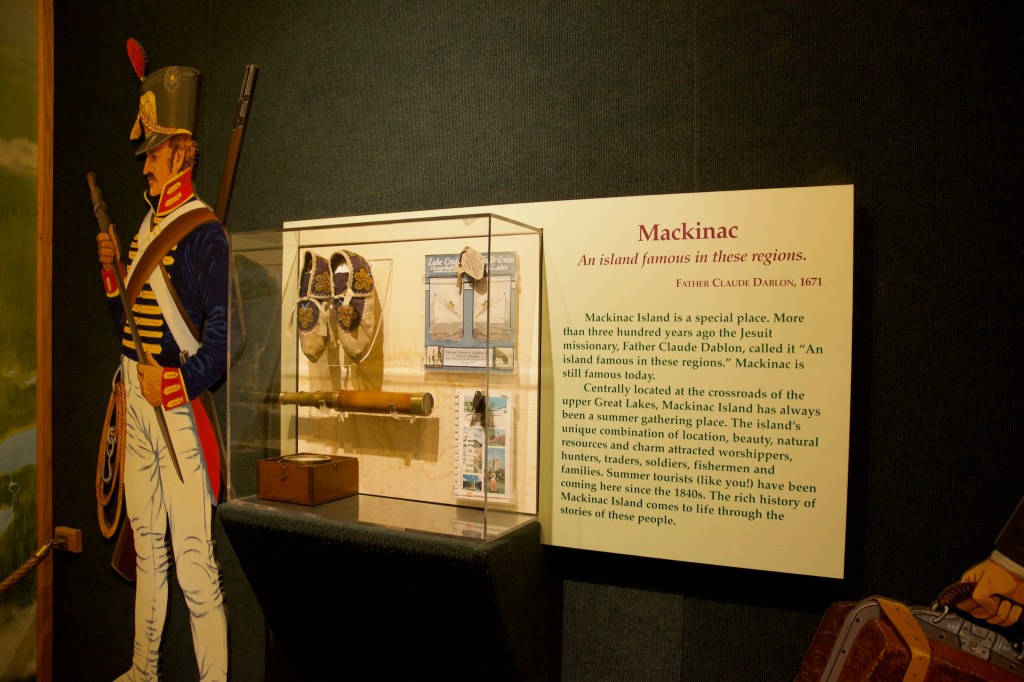

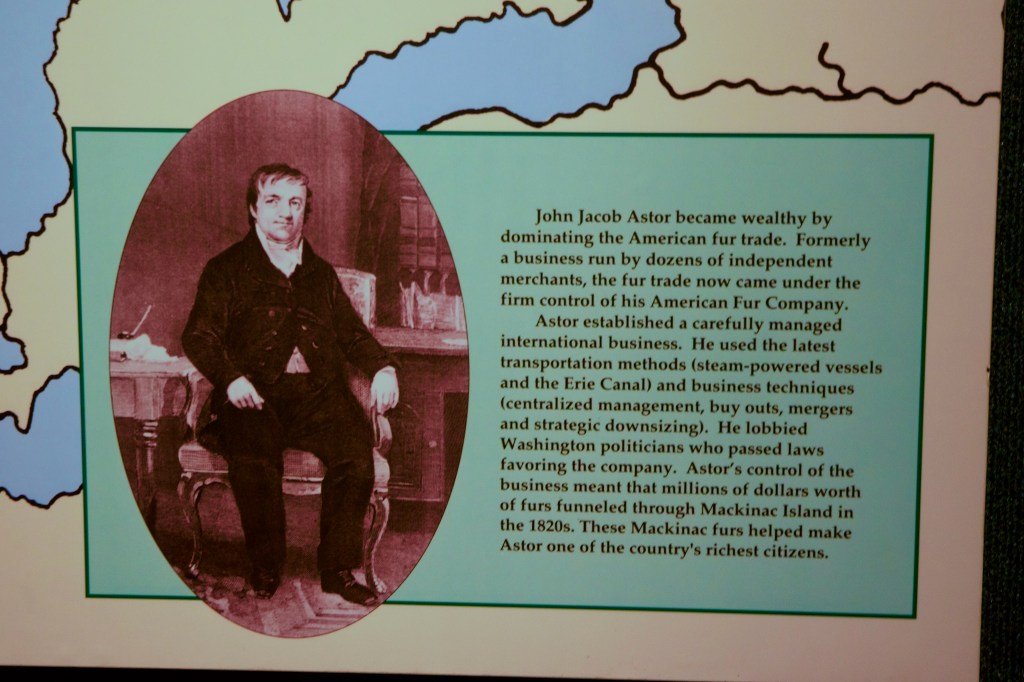

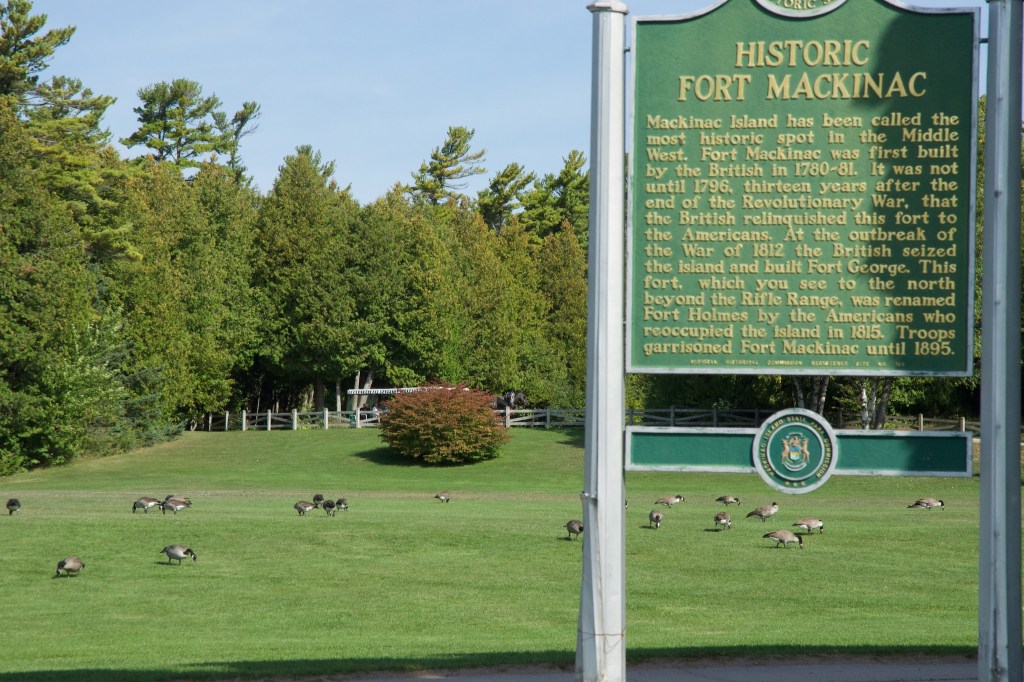

The fort was an interesting bit of history. Americans fought two battles there, losing both of them to the Brits, yet we got possession of the island back both times.


Fun factoid: back in the late 1800s every military was fascinated by the Prussians in Germany and adopted those spiky helmets. Pickle helmets they were called, and still used by Germany in World War I.
I also watched a reenactor demonstrate rapid fire with a breech-loading Springfield 1873 rifle. Quite loud and rather impressive. He conceded that he wasn’t allowed live ammunition, just blanks filled with a full load of black powder.
He and the displays said that American soldiers were not know for their accuracy, but that it changed after Gen. George Custer’s defeat at the Little Big Horn. Soldiers at Fort Mackinac and elsewhere were drilled not just in loading and pulling the trigger, but in getting the bullet into a target, even up to 1,000 yards away. With iron sights, not a scope.
While I find that pretty impressive, I am left feeling that the military was making excuses for Custer and even trying to shift the blame to his soldiers and their poor aim.
From what I’ve learned, it seems more that Little Big Horn was more a failure of command. Custer ignored the intelligence from his scouts, divided his forces and was defeated in detail. But that’s another story (and I have pictures to post if I ever catch up with all the posts I should have been writing over the last two years.
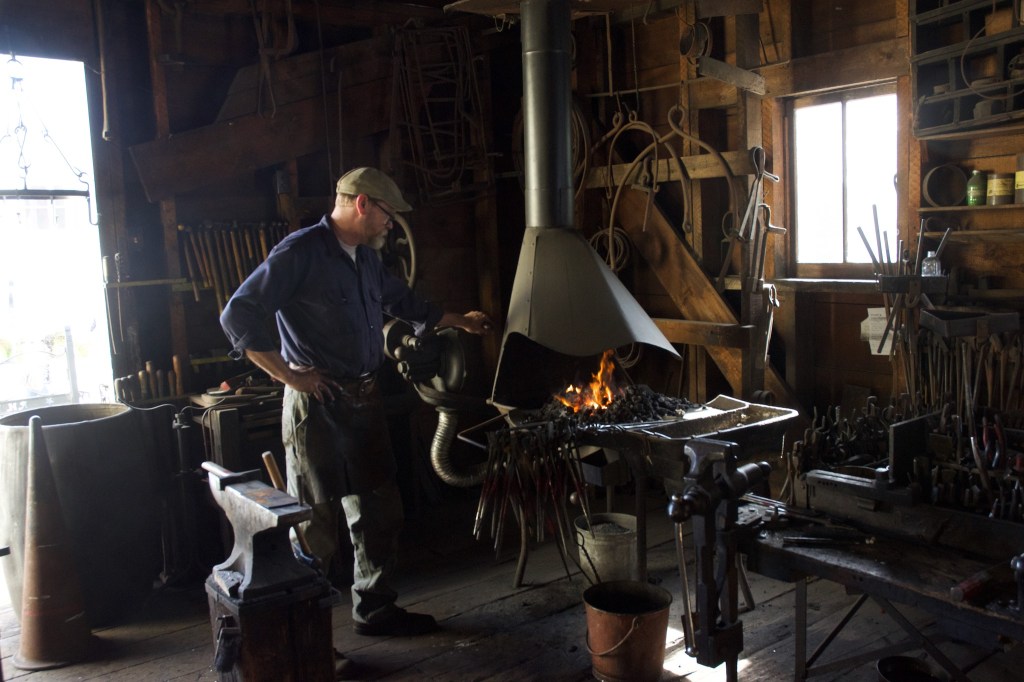
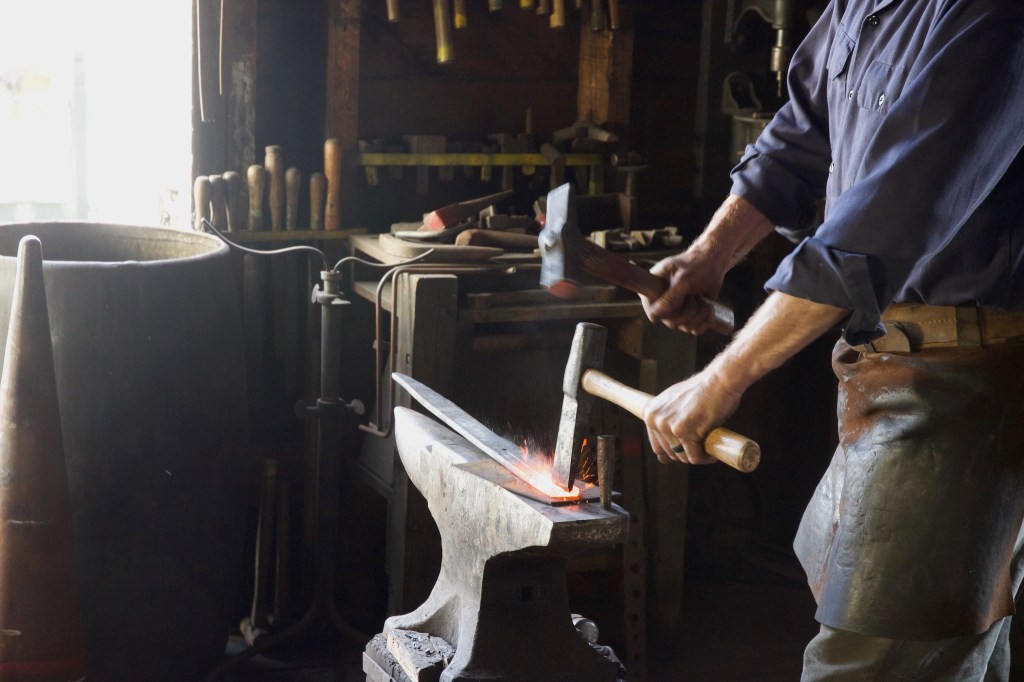


We enjoyed playing tourist for a day, but we were exhausted by the experience. Departure of the ferry to return of the ferry was about a seven hour day, and our feet are not letting us forget that.



 Two Sheeps to the Wind
Loving your posts! I updated my email to:
karenbava@yahoo.com
I would love to continue to receive your posts
Karen & Dominic Bava
LikeLike
Are you not getting notifications?
LikeLike
A lady with her Westie (named Mac after Mackinac) was either from there or lived close by to where she spent a lot of time there. She shared many photos with our group of her pup and Westie gatherings and I always wanted to see more. Thanks for the photo’s and history lesson. Sorry about your aching feet tho!
LikeLike